

1. “The Innovators” by Walter Isaacson
Isaacson’s storytelling magic shines in this sweeping narrative about the pioneers who shaped the digital revolution. From Ada Lovelace to Steve Jobs, it’s a compelling journey through collaboration, creativity, and the human side of tech breakthroughs.
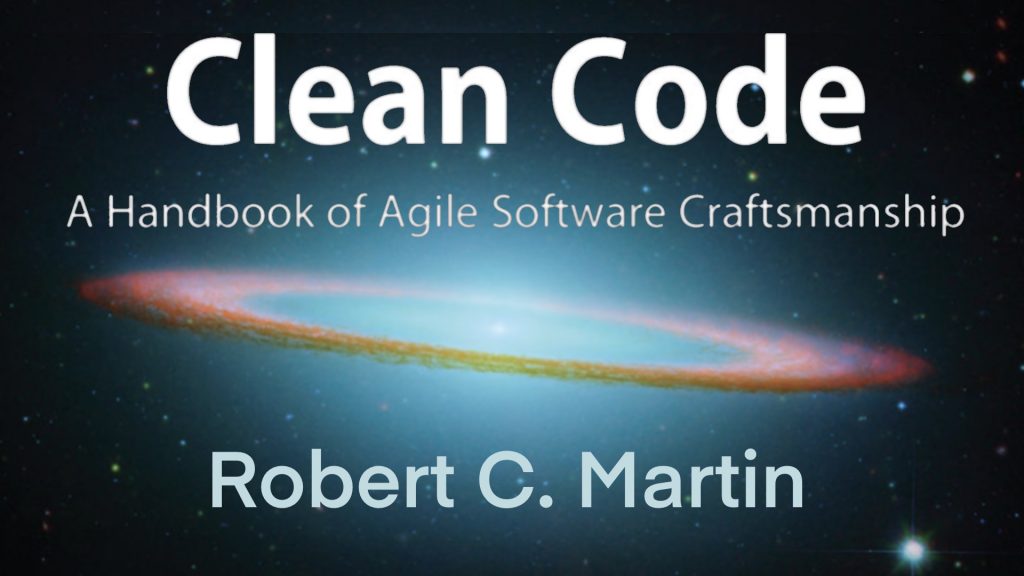
2. “Clean Code” by Robert C. Martin
If you code, you need this book. It’s a classic guide on writing readable, maintainable, and efficient code. Uncle Bob doesn’t just tell you what clean code looks like—he shows you how to think like a professional programmer.
3. “Superintelligence” by Nick Bostrom
Are we heading towards machines that outthink us? Bostrom’s thoughtful and sometimes unsettling look at AI future scenarios challenges you to consider both opportunities and existential risks.
4. “Hooked: How to Build Habit-Forming Products” by Nir Eyal
Tech isn’t just about hardware and software; it’s about people. This book explores the psychology behind addictive products and how to design digital experiences that keep users coming back.
5. “The Phoenix Project” by Gene Kim, Kevin Behr, and George Spafford
Presented as a novel, this book dives into DevOps and IT project management with gripping drama and smart lessons for improving workflows and collaboration in tech teams.

6. “Algorithms to Live By” by Brian Christian and Tom Griffiths
Algorithms are not just for computers—they can help us make smarter decisions in everyday life. This book perfectly blends computer science and cognitive psychology in a fun, accessible way.
7. “The Pragmatic Programmer” by Andrew Hunt and David Thomas
Another must-read for coders, this classic offers practical tips and robust philosophies about software craftsmanship, emphasizing adaptability and continuous learning.

8. “Life 3.0” by Max Tegmark
Tegmark invites us to imagine the future of life shaped by AI, exploring both the incredible benefits and thorny ethical dilemmas technology may bring. It’s visionary, fascinating, and deeply thought-provoking.

9. “Zero to One” by Peter Thiel
For startup enthusiasts and innovators, Thiel’s book is a bold manifesto on building unique companies that create new things, rather than copying what already exists.

10. “You Don’t Know JS” (series) by Kyle Simpson
If JavaScript is your playground, Kyle’s detailed series is invaluable. It goes deep into the quirks and inner workings of JS, helping you master this essential web language.
There you have it—a lineup guaranteed to challenge your thinking, sharpen your skills, and fuel your passion for technology. Whether you’re a seasoned developer or a curious newcomer, these books offer something unique and insightful.
There’s something undeniably special about opening a book and diving into its pages—whether it’s a dog-eared novel, a crisp new hardcover, or even the digital glow of an e-reader. This week, let’s explore why reading books remains one of the most enriching, delightful ways to spend our time, and why it continues to captivate people across generations and cultures.
Reading books is more than just a pastime; it’s a gateway to new ideas, perspectives, and experiences. When you read, you embark on a journey that can transport you to faraway lands, plunge you you into the depths of human emotion, or unravel mysteries alongside clever detectives. Books invite us to slow down and reflect, giving our minds the space to dream and daydream.
One of the greatest joys of reading is its ability to connect us with voices from across time and space. Historical novels can make us feel the pulse of another era, while contemporary fiction often sheds light on the social and emotional realities of today. Even non-fiction books—on science, philosophy, or personal memoirs—open windows into ideas we might never encounter otherwise. Through books, we expand our understanding of the world and, often, of ourselves.
And then there’s the simple pleasure of the reading ritual itself. Settling into a cozy nook, the comforting crackle of turning pages, or the subtle scent of ink and paper—these sensory moments deepen the experience. In our fast-paced, often screen-saturated lives, books offer a welcome respite. They encourage mindful presence and patience, habits that nourish mental health and creativity.
But reading doesn’t have to be a solitary adventure—it can be a social one, too. Book clubs, lively discussions, and online forums bring readers together to share thoughts, debate interpretations, or simply gush over a favorite author. The connections we form through books remind us that stories have a communal power, weaving individuals into a shared tapestry of culture and understanding.
Of course, the beauty of reading is its versatility. Whether you prefer gripping thrillers, whimsical fantasies, heartfelt romance, or insightful essays, there’s a perfect book waiting to catch your eye. And if you haven’t picked up a book in a while, don’t worry—reading is a muscle that gets stronger the more you use it. Starting with short stories or even graphic novels can reignite your love for the written word without feeling overwhelming.
In a world brimming with distractions, books offer a unique and irreplaceable escape. They challenge us, comfort us, and inspire us to think differently. So next time you find a quiet moment, consider cracking open a book—it might just surprise you how far it can take you.
Thanks for joining me in celebrating the magic of reading this week! Stay tuned for next time when we’ll dive into some top book recommendations that can spark new adventures. Until then, happy reading—may you find countless stories to brighten your days and expand your horizons.